
SpeechPathologyMastersPrograms.com is owned by 2U, LLC, parent company of edX. Our goal is to help learners make confident, informed decisions about their education and career. Some programs shown here are offered by universities that partner with 2U, for which 2U provides marketing and operational support and receives compensation. Other programs shown may be paid advertisements from third parties. Both types of programs are identified with the word AD or Advertisement. We aim to keep information current and accurate. Learn more about edX and our partners.
Sponsored Online Speech Pathology Programs Now Enrolling
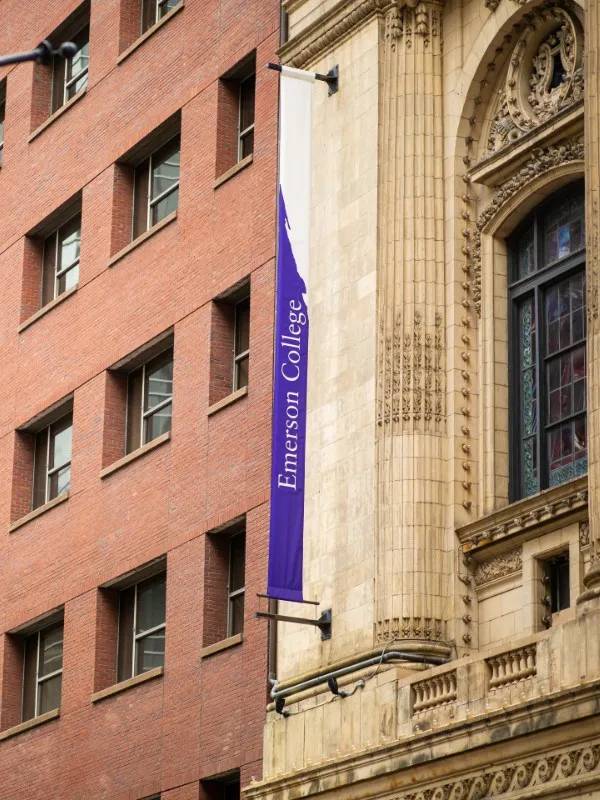
Master of Science in Communication Disorders
Speech@Emerson enables you to earn an MS online and pursue SLP certification in as few as 20 mos. Learn the same curriculum as the on-campus program. Study FT or PT.
- Prepares you to pursue certification as an SLP generalist
- In-person clinical placements at faculty-approved partner sites
- As few as 20 months to complete

Master of Science in Speech-Language Pathology
Pepperdine University’s online Master of Science in Speech-Language Pathology program combines a robust, innovative curriculum rooted in Christian values with a full-time or part-time option that features online learning, on-campus intensive experiences, and comprehensive clinical field practicums to prepare skilled, compassionate students for careers as speech-language pathologists.
- Full-time (five trimesters) or part-time (eight trimesters) options available.
- No GRE scores required.
- 400+ supervised, clinical learning hours are done at schools/clinics local to students
Find the Best Online Speech Pathology Master’s Program for You
Online Master of Speech Language Pathology CAA Accreditation
A majority of states require an aspiring speech-language pathologist (SLP) to get their master’s in speech pathology from a program accredited by or equal to standards set by the American Speech-Language-Hearing Association (ASHA) and its accrediting body, the Council on Academic Accreditation (CAA). It is important to know what your state requires in terms of accreditation so that you can choose a program that is valid for speech-language pathologist (SLP) licensure in your state.
Also, if you are interested in earning ASHA’s Certificate of Clinical Competence in Speech-Language Pathology (CCC-SLP), you will need to attend a CAA-accredited graduate SLP program. The CCC-SLP is only required by a handful of states, but there are benefits to ASHA certification. The Association indicates it could make you eligible for salary supplements in some states and school districts even if it is not required.
Not all online speech-language pathology master’s programs are created equal, so accreditation or pending accreditation is an indicator that the program you are applying to has met certain standards.
Online Speech Pathologist Degree Program Descriptions
Below is a table comparing all of the ASHA-accredited online graduate speech pathology programs:
| Institution & Program | Delivery Mode | Enrollment | Study Length |
|---|---|---|---|
Cincinnati UniversityMaster of Science in Speech-Language Pathology | Online | Full-Time | 2.5 years |
East Carolina UniversityMaster of Science in Communication Sciences and Disorders | In-Person | Full-Time | 2 years |
East Tennessee State UniversityMaster of Science in Speech-Language Pathology | In-Person | Full-Time | 2 years |
| Online | Full-Time, Part-Time | As few as 20 months | |
Idaho State UniversityMaster of Science in Speech-Language Pathology | Online | Full-Time | 3 years |
James Madison UniversityMaster of Science in Speech-Language Pathology | Online | Full-Time | 3 years |
| Online | Full-Time, Part-Time | 20-32 Months | |
University of MontanaMaster of Science in Speech-Language Pathology | Online | Full-Time | 2 years |
University of Northern ColoradoMaster of Arts in Speech-Language Pathology | Online | Full-Time | 2 years |
University of St. Augustine for Health SciencesMaster of Science in Speech Language Pathology | Hybrid | Full-Time, Part-Time | 1.5+ years |
University of Wisconsin-Eau ClaireMaster's in Communication Sciences and Disorders | Online | Full-Time | 3 years |
Western Kentucky UniversityMaster of Science in Speech-Language Pathology | Online | Full-Time, Part-Time | 2+ years |
Emerson College • Boston, MA
Master of Science in Communication Disorders
Program Type
Master's
Enrollment Type
Full-Time and Part-Time
Delivery Mode
Online
Length of Program
As few as 20 months
Credits
72
Admission Requirements
- Official Transcripts
- Résumé
- Letters of Recommendation
- Essay
- Interview

Pepperdine University • Malibu, CA
Master of Science in Speech-Language Pathology
Program Type
Master's
Enrollment Type
Full-Time and Part-Time
Delivery Mode
Online
Length of Program
20-32 Months
Credits
53
Admission Requirements
- Completed undergraduate degree (BA/BS), with an overall GPA of 3.000 or higher.
- Official transcripts for all previous college coursework.
- Completion of required foundational courses in communicative disorders.
- Applicants who have not completed the required foundational courses may be admitted to complete those courses in advance of full admission to the program.
- Three letters of recommendation by people familiar with your background and potential for success as a speech-language pathologist
- Statement of interest

Online Speech Therapy Master’s Program Admissions Requirements
Before you start applying to online SLP programs, make sure you meet the program’s admissions requirements. Requirements vary by school but will often include:
- Prerequisite coursework (some institutions either have a separate program for completing prerequisites or offer them as part of the master’s program).
- Bachelor’s degree
- GPA (online SLP programs are competitive and many require a 3.0 GPA)
- GRE test scores
- Transcripts
- Recommendation letters
- Résumé
- Personal statement
Learn more about how to become a speech-language pathologist.
Accredited Online SLP Programs Offer Flexibility
Online speech pathology master’s programs offer you the flexibility to go to class wherever you are. Online SLP curricula offer a more manageable balance between class and work commitments, especially during semesters without clinical hours. Many programs have options to go to school full or part time, so you can choose a schedule that works best for you.
Full-Time vs. Part-Time Online Speech Pathology Master’s Programs
Part-time online SLP master’s programs spread coursework over more semesters as a way to allow you more time for work or other commitments. No matter what type of online program you choose, there is usually less flexibility during practicum components. You may need to either be away from work for several weeks at a time to complete clinical hours or be able to work at a practicum site multiple days per week over a semester. Each program is different.
Non-Live vs. Live Online Master’s in Speech Pathology Classes
While some classes are taught in real time with active participation and opportunities to ask questions, others follow an asynchronous format where you can access pre-recorded lectures or engage in non-lecture-based learning. There are also a few hybrid options available where online learning and in-class lectures are part of the program. Think about how you learn best and choose an online SLP program accordingly.
Clinical Field Placement Services for Speech Pathology Degree Students
The practicum is an integral part of a master’s in speech pathology, often requiring 400-plus hours of work in clinical settings. Depending on the program, placement services typically offered to on-campus students may not always extend to online speech-language pathology students living farther from campus. Online SLP programs offer varying levels of field placement services to help secure clinical sites for online students. Some programs will require that these students find placements on their own. Other programs will use their connections to find placements for online SLP students who are geographically close to the school but may not have the ability to place students who are farther away. There are also programs that can place learners in a practicum site no matter where the student is located.
Some online SLP graduate programs require that a certain amount of practicum hours are completed at on-site clinics, so learners may need to travel to the school for up to several weeks to complete those portions of the practicum. Think about what level of assistance you will want when securing your placements and how much you are able to travel if you do indeed need to go to campus for portions of the online program. These speech pathology clinical experiences may affect your preferred speech pathology job setting for your speech pathology career.
Master of Science in Communication Disorders
Scholarships are available for Emerson College's online MS in speech-language pathology. With no GRE required to apply, you can complete your degree in as few as 20 months and prepare to become an SLP.
- Prepares you to pursue certification as an SLP generalist
- In-person clinical placements at faculty-approved partner sites
- As few as 20 months to complete
Master of Science in Speech-Language Pathology
Pepperdine University’s online Master of Science in Speech-Language Pathology program delivers excellence in its academic and clinical preparation programs, grounded in Christian values. The curriculum is designed to develop skilled, compassionate speech-language pathologists who are not only experts in the field, but are committed to serving and leading in their local communities. Choose between a full-time (five trimesters) or part-time (eight trimesters) program that consists of weekly online learning, three onsite campus experiences, and 400 supervised clinical hours.
- Full-time (five trimesters) or part-time (eight trimesters) options available.
- No GRE scores required.
- 400+ supervised, clinical learning hours are done at schools/clinics local to students
- Three onsite experiences build a sense of camaraderie and community throughout the program
8 FAQs About Getting a Master’s in Speech Pathology Online
ASHA’s 2020 Standards and Implementation Procedures for the Certificate of Clinical Competence in Speech-Language Pathology indicate that you need at least a master’s degree in the field to become an SLP in any state, so pursuing this degree is essential. While a master’s degree is required to become an SLP, most states also require licensure; however, licensure requirements vary by state. For the most up to date guidance on SLP requirements, check ASHA’s revisions page.
Information last updated: July 2026